
The gaming landscape is evolving faster than a GPU refresh cycle, making it harder than ever to tell what’s real innovation and what’s just marketing noise. If you’re searching for clarity on gaming trends 2026, this guide is built to give you exactly that—no hype, no fluff. We’ve analyzed developer roadmaps, upcoming hardware releases, and shifting player communities to pinpoint the four pillars set to redefine how you play: AI-driven worlds, next-gen performance leaps, player-led creation, and cloud-powered access. By the end, you’ll understand not just what’s coming—but how it will directly impact your gameplay, strategy, and setup choices.
The Rise of Generative Worlds: AI as the Ultimate Game Master
For decades, games relied on scripted NPCs—non-player characters locked into prewritten dialogue trees. You’d exhaust their lines, and that was it (like replaying the same cutscene for the hundredth time). Now compare that to generative NPCs: AI-driven characters with persistent memory, evolving personalities, and unscripted dialogue that adapts to your choices in real time. A vs B? Scripted feels static. Generative feels alive.
The same shift is happening with Procedural Content Generation (PCG)—systems that automatically create game elements using algorithms. Old-school PCG built repeating dungeons with shuffled rooms. AI-driven PCG builds entire quests, factions, and ecosystems dynamically. Instead of memorizing spawn points, you’re navigating stories that never repeat. That’s why many analysts cite adaptive AI as central to gaming trends 2026 (see Gartner AI forecasts, 2025).
Strategy changes too. Pattern memorization worked against predictable bosses. Against learning AI adversaries? You need fluid tactics, experimentation, and misdirection. Think chess versus a static puzzle.
Some argue this unpredictability ruins balance. Fair point. But dynamic systems also create deeper mastery—players who adapt thrive.
Actionable tip: Track emergent behavior (unexpected AI interactions). If an enemy faction adapts to aggression, bait them into overextending, then pivot strategies. Observing AI patterns before exploiting them becomes the new meta.
For more competitive shifts, read how cross platform play is redefining competitive gaming.
More Than Pixels: The New Frontier of Immersive Hardware
The Haptic Revolution
Controller rumble was cute. Full-body haptics are transformative. Modern suits use electro-tactile feedback (small electrical impulses that simulate touch) and micro-actuators to recreate texture, recoil, even directional rain. Instead of feeling a generic buzz, you’ll sense impact location and intensity. Competitors focus on specs; what they miss is calibration. Poorly tuned haptics cause fatigue and latency drift. The edge? Adjustable feedback zones and game-specific profiles (because a shotgun blast shouldn’t feel like a rainstorm).
Mainstream VR/AR
Skeptics argue VR has been “almost mainstream” for a decade. Fair. But lighter pancake lenses, foveated rendering (prioritizing detail where your eye looks), and sub-20ms motion latency are changing that. When headsets match console price points and visual fidelity, they stop being accessories and start being primary displays. Think less novelty, more daily driver (ready player one energy, minus the dystopia).
Optimizing Your Rig for 2026
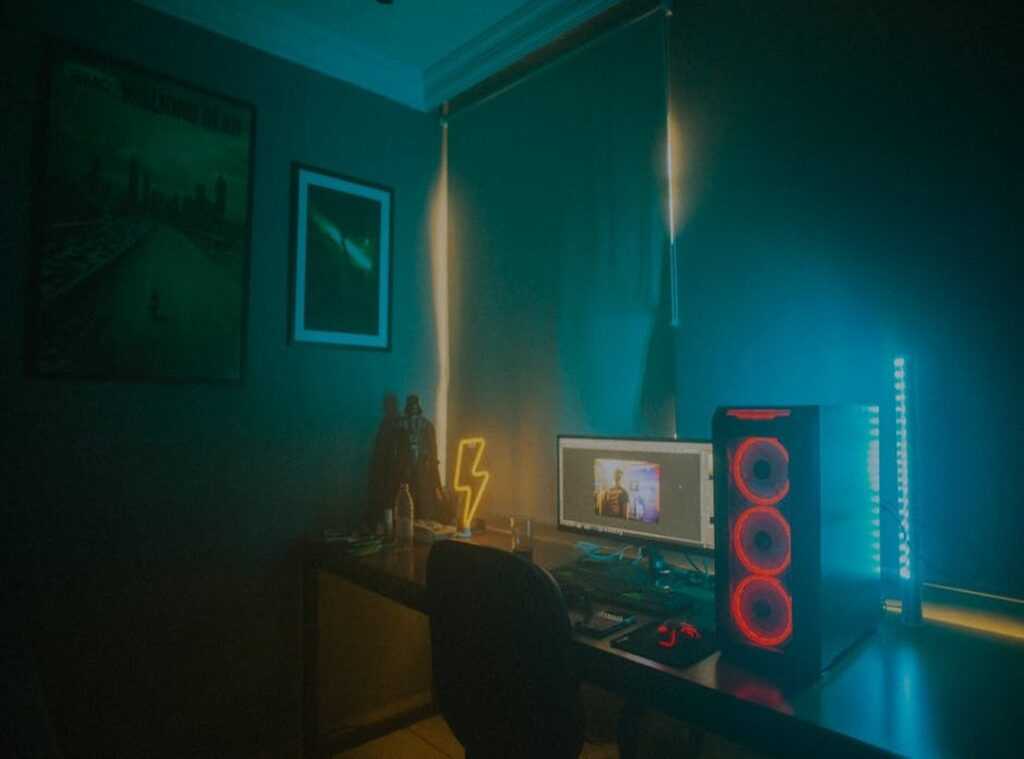
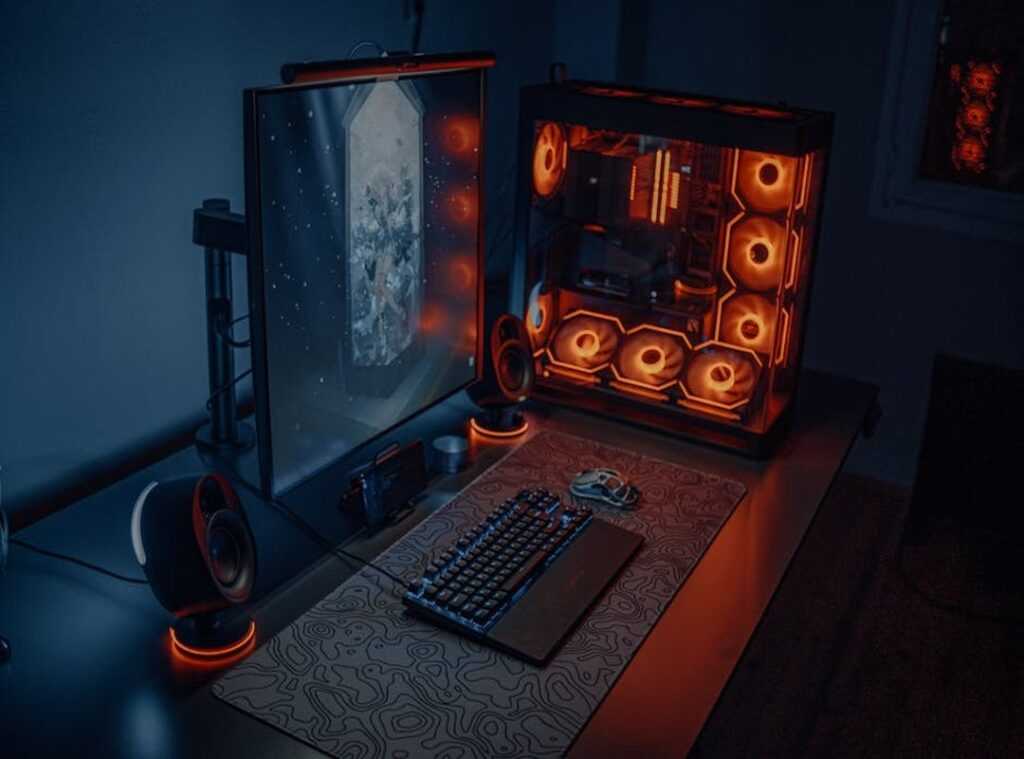
The GPU won’t be king alone. Cloud-assisted rendering demands Wi-Fi 7 or multi-gig ethernet. Spatial audio DSPs reduce CPU strain. USB4 and PCIe bandwidth matter for low-latency peripherals. These overlooked upgrades define gaming trends 2026.
Setup Tip: Future-Proof Checklist
- 144Hz+ HDR display or VR-ready panel
- Wi-Fi 7 router with QoS
- Dedicated audio processor
- High-bandwidth USB hub
- Modular power supply (pro tip: leave 20% headroom)
Player-Driven Universes: The Golden Age of Modding

Modding—short for modification—means altering a video game’s content or mechanics. What started as hobbyists tweaking textures in the early Half-Life days has evolved into full-scale co-creation. Today, developers design games with modding support built in from day one, releasing official toolkits (software that lets you edit assets safely) and curated asset libraries so players can create without breaking the core game.
AI-Powered Modding Tools
Here’s where things get interesting. New AI-driven editors allow players to type prompts like, “Create a stealth quest in a cyberpunk city,” and generate:
- Custom dialogue trees
- Playable missions
- New mechanics
In simple terms, natural language prompts replace complex coding. You describe it; the tool builds it. Think of it as having a mini dev team in your PC (no computer science degree required).
The Modding Economy
Official marketplaces now let creators sell approved mods. Some top modders earn income comparable to indie developers. Skeptics argue this “commercializes” creativity. Fair point—but structured marketplaces also protect intellectual property and ensure fair revenue splits.
Modding Guide: Getting Started
- Choose a game with official tools.
- Start small—tweak visuals or balance.
- Test, refine, and share feedback.
With gaming trends 2026 leaning toward player ownership, modding isn’t a side hobby—it’s a gateway to building entire universes.
The Cloud Ascendant: High-Fidelity Gaming, Anywhere
Cloud gaming used to mean compromise. Now, it’s edging toward parity with local hardware—and in some cases, surpassing it.
Solving the Latency Problem
Local PC vs. cloud server used to be a blowout: local won on responsiveness. However, edge computing (processing data closer to you geographically) shrinks that gap dramatically. Add the AV1 codec (a next-gen video compression standard that delivers higher quality at lower bandwidth) and suddenly 4K streams don’t choke your network. Then there’s predictive input—AI anticipating your next move to mask delay (yes, it sounds like sci-fi, but it works surprisingly well).
Critics argue latency can never fully disappear. Fair. Physics still applies. Yet for most players, sub-20ms differences are imperceptible—especially outside esports.
Gaming Beyond the Dedicated Device
Console vs. smart TV app? Increasingly, it’s a draw. AAA titles now run on tablets and handhelds with full fidelity because the heavy lifting happens in remote data centers. Think Cyberpunk-level visuals—no $2,000 rig required.
The “Netflix for Games” Model Matures
Ownership vs. subscription is the real debate. While collectors prefer buying titles outright, subscription libraries offer:
- Instant access
- Curated discovery
- Lower upfront cost
This shift mirrors gaming trends 2026, where access often beats ownership.
Optimization Strategy
To get the lowest latency possible:
- Use wired Ethernet over Wi-Fi.
- Prioritize 5GHz or Wi-Fi 6.
- Enable AV1 in service settings if supported.
- Limit background downloads.
Pro tip: Position your router centrally and above ground level (yes, placement matters more than people think).
Your Next Level Awaits
You came here to understand where gaming is headed—and now you see how intelligent worlds, immersive hardware, player-driven creativity, and accessibility are shaping the future. The rise of gaming trends 2026 isn’t just hype; it’s a shift that demands smarter setups, sharper strategies, and deeper community engagement.
If you’re feeling behind or unsure how to level up, that’s the real challenge. Falling behind in tech, mods, or competitive play can cost you the edge.
Ready to dominate instead of react? Explore cutting-edge mod guides, optimize your setup, and stay ahead with proven strategies trusted by thousands of serious gamers. Upgrade your playstyle today and take control of your next win.

 Lorven Zyphandell has opinions about platform play strategies. Informed ones, backed by real experience — but opinions nonetheless, and they doesn't try to disguise them as neutral observation. They thinks a lot of what gets written about Platform Play Strategies, Insider Tips, Gamer Setup Optimization Tips is either too cautious to be useful or too confident to be credible, and they's work tends to sit deliberately in the space between those two failure modes.
Reading Lorven's pieces, you get the sense of someone who has thought about this stuff seriously and arrived at actual conclusions — not just collected a range of perspectives and declined to pick one. That can be uncomfortable when they lands on something you disagree with. It's also why the writing is worth engaging with. Lorven isn't interested in telling people what they want to hear. They is interested in telling them what they actually thinks, with enough reasoning behind it that you can push back if you want to. That kind of intellectual honesty is rarer than it should be.
What Lorven is best at is the moment when a familiar topic reveals something unexpected — when the conventional wisdom turns out to be slightly off, or when a small shift in framing changes everything. They finds those moments consistently, which is why they's work tends to generate real discussion rather than just passive agreement.
Lorven Zyphandell has opinions about platform play strategies. Informed ones, backed by real experience — but opinions nonetheless, and they doesn't try to disguise them as neutral observation. They thinks a lot of what gets written about Platform Play Strategies, Insider Tips, Gamer Setup Optimization Tips is either too cautious to be useful or too confident to be credible, and they's work tends to sit deliberately in the space between those two failure modes.
Reading Lorven's pieces, you get the sense of someone who has thought about this stuff seriously and arrived at actual conclusions — not just collected a range of perspectives and declined to pick one. That can be uncomfortable when they lands on something you disagree with. It's also why the writing is worth engaging with. Lorven isn't interested in telling people what they want to hear. They is interested in telling them what they actually thinks, with enough reasoning behind it that you can push back if you want to. That kind of intellectual honesty is rarer than it should be.
What Lorven is best at is the moment when a familiar topic reveals something unexpected — when the conventional wisdom turns out to be slightly off, or when a small shift in framing changes everything. They finds those moments consistently, which is why they's work tends to generate real discussion rather than just passive agreement.