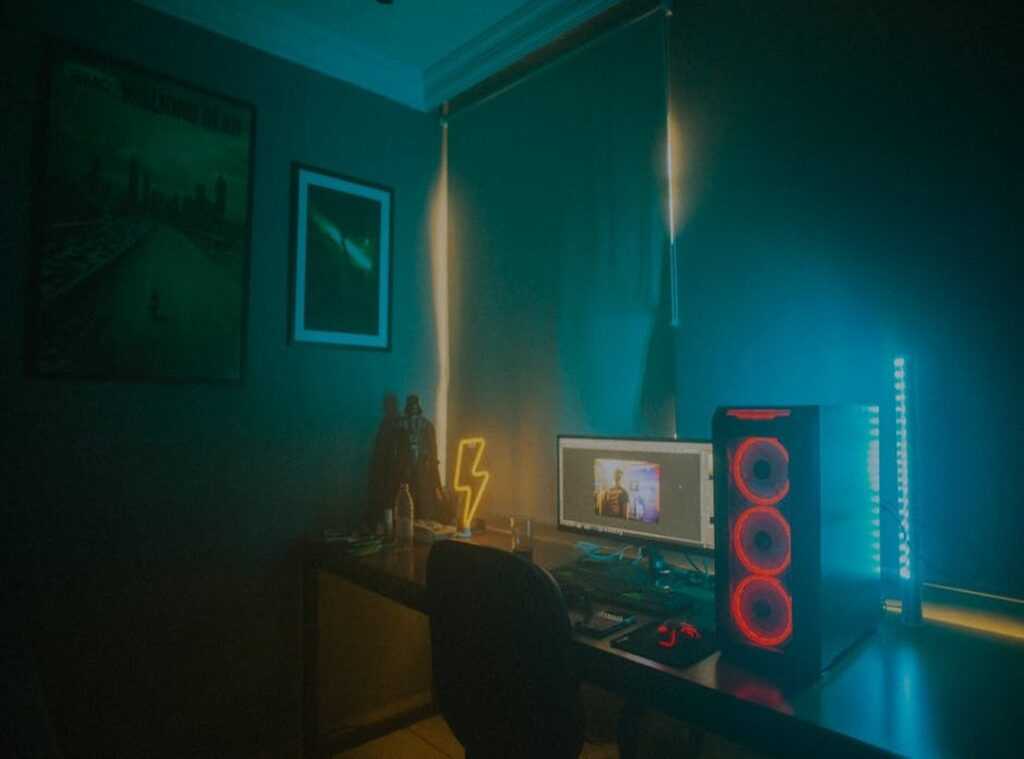
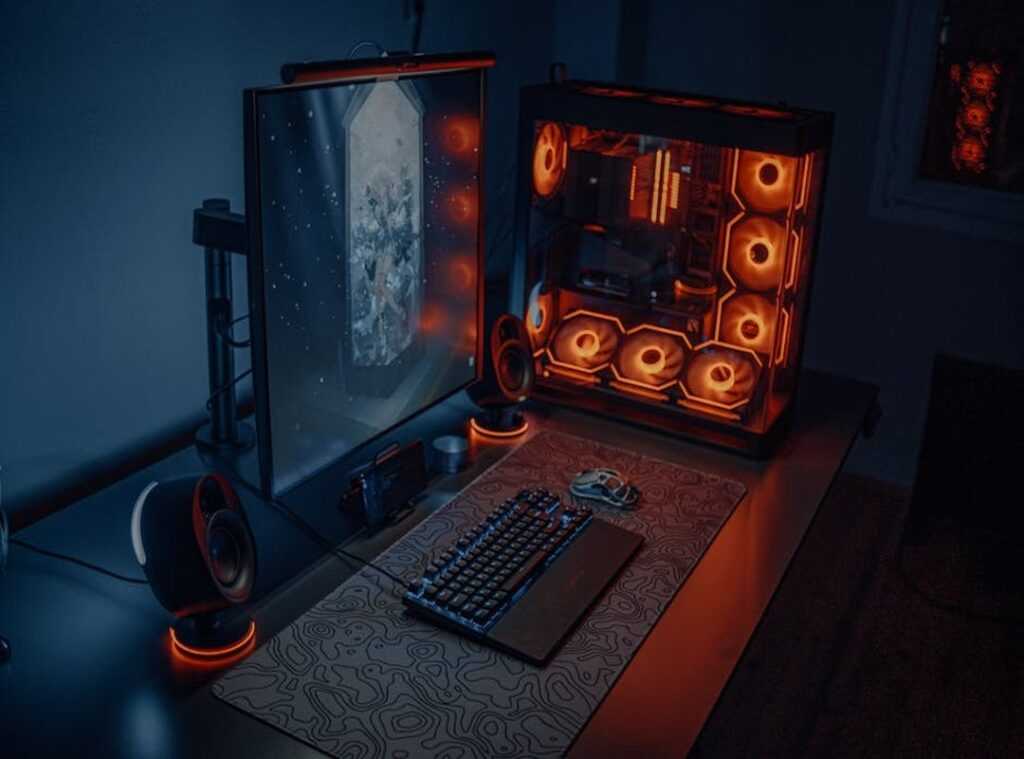
Dreaming of a killer gaming rig but stuck on a shoestring budget? I get it. It’s a challenge to balance performance with price, especially when high-end gear seems out of reach.
But here’s the thing: a budget gamer setup doesn’t have to mean compromise. With years of experience testing budget components, I’ve pinpointed where your money truly counts. I know the shortcuts to avoid those pesky performance bottlenecks.
Stick with me, and you’ll have a clear roadmap. You’ll know exactly where to invest and where to save without losing that gaming edge. Ready to level up without breaking the bank?
The Smart Budget Philosophy: Spend a Little, Win a Lot
Let’s talk about what “affordable” really means in gaming. It’s not about grabbing the cheapest parts. It’s about snagging the best price-to-performance ratio.
So, where should you splurge and where should you save? Here’s a quick take: Splurge on your graphics card and a decent power supply. Save on the PC case, stock CPU coolers for now, and unnecessary motherboard features.
Ever heard of the 80/20 rule? In PC building, 80% of your gaming performance comes from 20% of the components, like the GPU. It’s a solid concept.
Makes sense, right?
A budget gamer setup isn’t just about cutting costs. It’s about building a solid foundation you can upgrade easily. Want more tips on organizing your space for optimal gaming?
Check out organizing space optimal gaming. It’s all about smart choices and future-proofing your gaming experience. Ready to start building?
Building the Core: PC Components That Matter Most
When it comes to a budget gamer setup, you’ve got to focus on the essentials. Let’s dive into the guts of your rig: the GPU, CPU, RAM, and Storage. Each plays its own role, but not all are created equal.
GPU (Graphics Card)
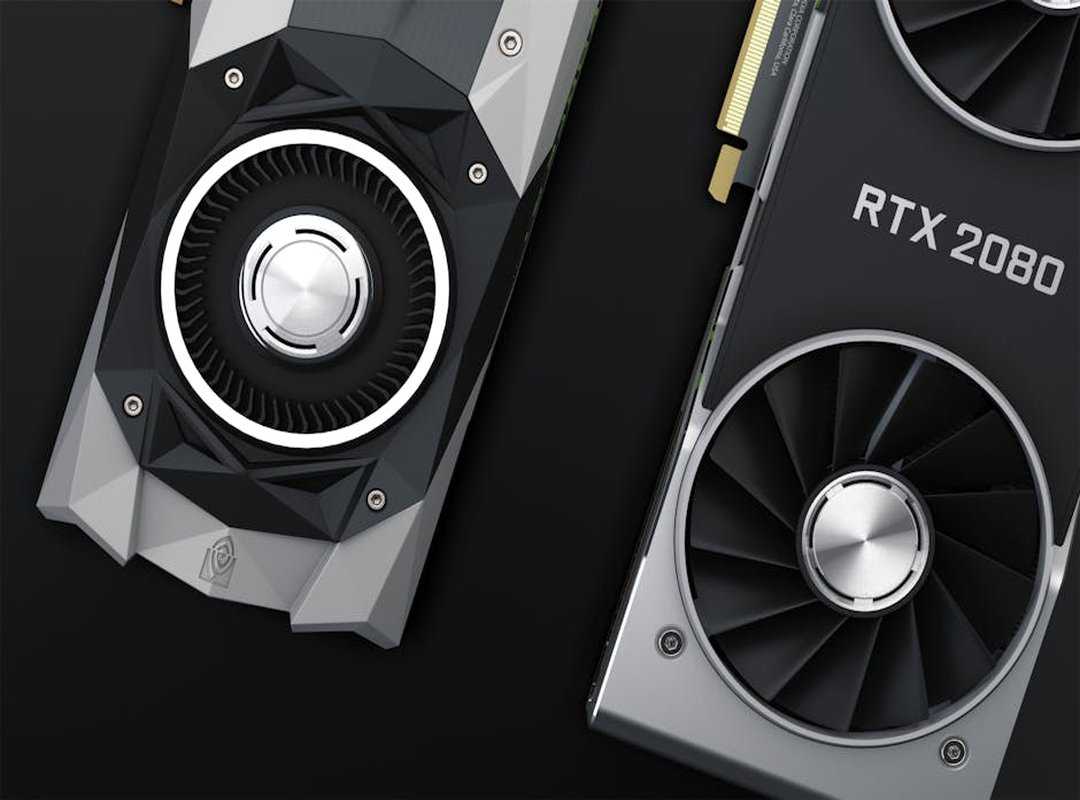
The GPU is king in gaming. If you’re aiming for 1080p, you don’t need to break the bank. I’d recommend the NVIDIA GTX 1660 Super or the AMD RX 5600 XT.
These cards give you solid performance without emptying your wallet. They offer strong driver support and great value. Why?
Because they balance power with price, making them smart buys for anyone who doesn’t want to compromise on quality.
CPU (Processor)
The CPU is your PC’s brain. It processes everything, but you don’t need a beast for gaming. Pairing the GTX 1660 Super or RX 5600 XT with an AMD Ryzen 5 3600 or an Intel Core i5-10400 is more than enough.
These processors won’t bottleneck your setup. For most games, mid-range CPUs hit the sweet spot. They give you enough power without overshooting your budget.
RAM (Memory)
Let’s talk RAM. 16GB of DDR4 is where you want to be. Why 16GB? Because it’s the current sweet spot.
With 8GB, you’re in danger of running into performance issues. And 32GB? That’s just overkill for a budget build.
Keep it simple. Stick to 16GB. It’s enough to handle most games and multitasking needs.
Storage (SSD)
Storage is often overlooked, but it’s key. Forget traditional hard drives for your main OS drive. Get a 1TB NVMe SSD.
The speed difference is night and day. Load times are massively reduced. It’s not just about speed; it’s about efficiency.
You’ll thank yourself every time you boot up your system or load a game. Trust me, once you go SSD, you never go back.
In the end, building a budget gaming PC is all about prioritizing where to spend. Don’t skimp on the GPU and make sure your CPU can keep up. RAM and storage are just as important, but you can make smart choices here to save.
With these components, you’re set for a solid gaming experience without breaking the bank.
Beyond the Box: Important Peripherals Without the Premium Price
Let’s face it: your fancy PC isn’t worth much without a decent monitor and mouse. A killer setup can quickly become a paperweight if the peripherals don’t pull their weight. Does anybody want a slideshow when they’re gaming?
Didn’t think so. A 1080p display with at least 120Hz refresh rate is a must. It’s where you should put a bit more cash because it directly impacts the experience.
Look for budget brands that offer quality without emptying your wallet.
Now, about those flashy keyboards and mice. Don’t buy into expensive ‘gamer’ brands for your first build. Those RGB lights might look cool, but they won’t improve your aim.
Instead, go for reliable, wired options from reputable budget-friendly companies. A good optical mouse sensor beats a light show any game night. Trust me, you’ll thank me later when you’re fragging your buddies instead of messing with settings.
And don’t forget a solid headset. You need to hear footsteps and communicate clearly. A good headset with a clear mic is key for online gaming (no one wants to repeat themselves).
Some budget-friendly options offer excellent sound quality and mic clarity without falling apart after a month. Steer clear of ‘no-name’ brands. You need gear that lasts through your late-night gaming marathons.
If you’re serious about maximizing gaming setup performance, invest wisely. The right peripherals can make your budget gamer setup feel like a dream without a nightmare price tag.
The ‘Free’ Performance Boosts: Tweaks to Maximize Your Build
Looking to squeeze extra performance out of your rig without spending a dime? You’re in luck. to the magic of in-game settings. Turning down settings like shadows, volumetric fog, and anti-aliasing can give you a massive FPS boost.
And guess what? It barely affects visuals. It’s like finding a cheat code in real life.
Why pay more when you can adjust a few sliders and get a smoother experience?
Now, let’s talk about driver updates. Keeping your GPU drivers updated is the easiest performance upgrade you can get. Manufacturers regularly release updates that improve performance, and it’s free.
Seriously, why wouldn’t you do this? It’s like getting a free tune-up for your car.
Don’t forget about enabling XMP/DOCP in your BIOS. This setting unlocks your RAM’s full speed potential. Think of it as taking the governor off a car engine.
Your system can run faster and smoother without breaking a sweat.
Finally, if you’re serious about gaming on a budget, check out budget gamer setup guides. They’re packed with tips and tricks to get the most out of your build. Why settle for less when you can game like a pro without breaking the bank?
Your First Upgrade: Not a Dead End
Worried your budget gamer setup is a dead end? It’s not. Consider it a launch pad.
Start with a GPU upgrade; you’ll see the biggest gaming impact there. Next, think about a CPU and motherboard when your processor feels sluggish. Finally, as your game library expands, add more storage.
It’s like leveling up in a game. One step at a time. Does it feel daunting?
Sure, but think of it as an evolving project. I’m not sure where you’re headed, but isn’t that part of the fun? Your setup isn’t a one-time purchase.
It’s an adventure.
Level Up Without Breaking the Bank
Let’s face it, gaming rigs can cost a small fortune. But a high-performance, affordable setup is within reach. How?
By making smart choices. The budget gamer setup philosophy lets you splurge where it counts and save where it doesn’t. Want to play now and upgrade later?
Perfect. You’ve laid the groundwork for years of gaming bliss.
Stop dreaming and start building. Use this guide to pick your parts and dive into the action. Ready to transform your gaming experience without draining your wallet?
Check out our top-rated guides and start your build today. It’s time to join the action.

 Lorven Zyphandell has opinions about platform play strategies. Informed ones, backed by real experience — but opinions nonetheless, and they doesn't try to disguise them as neutral observation. They thinks a lot of what gets written about Platform Play Strategies, Insider Tips, Gamer Setup Optimization Tips is either too cautious to be useful or too confident to be credible, and they's work tends to sit deliberately in the space between those two failure modes.
Reading Lorven's pieces, you get the sense of someone who has thought about this stuff seriously and arrived at actual conclusions — not just collected a range of perspectives and declined to pick one. That can be uncomfortable when they lands on something you disagree with. It's also why the writing is worth engaging with. Lorven isn't interested in telling people what they want to hear. They is interested in telling them what they actually thinks, with enough reasoning behind it that you can push back if you want to. That kind of intellectual honesty is rarer than it should be.
What Lorven is best at is the moment when a familiar topic reveals something unexpected — when the conventional wisdom turns out to be slightly off, or when a small shift in framing changes everything. They finds those moments consistently, which is why they's work tends to generate real discussion rather than just passive agreement.
Lorven Zyphandell has opinions about platform play strategies. Informed ones, backed by real experience — but opinions nonetheless, and they doesn't try to disguise them as neutral observation. They thinks a lot of what gets written about Platform Play Strategies, Insider Tips, Gamer Setup Optimization Tips is either too cautious to be useful or too confident to be credible, and they's work tends to sit deliberately in the space between those two failure modes.
Reading Lorven's pieces, you get the sense of someone who has thought about this stuff seriously and arrived at actual conclusions — not just collected a range of perspectives and declined to pick one. That can be uncomfortable when they lands on something you disagree with. It's also why the writing is worth engaging with. Lorven isn't interested in telling people what they want to hear. They is interested in telling them what they actually thinks, with enough reasoning behind it that you can push back if you want to. That kind of intellectual honesty is rarer than it should be.
What Lorven is best at is the moment when a familiar topic reveals something unexpected — when the conventional wisdom turns out to be slightly off, or when a small shift in framing changes everything. They finds those moments consistently, which is why they's work tends to generate real discussion rather than just passive agreement.