

The indie gaming scene is evolving at a pace few players and developers anticipated. With indie game market growth accelerating year after year, gamers are searching for deeper insights into which titles are worth their time, how trends are shaping gameplay innovation, and where new opportunities are emerging in the modding and competitive space.
This article breaks down what’s driving that growth, how player preferences are influencing development, and what it means for both casual gamers and dedicated enthusiasts. From rising genres to the impact of community-driven mods and optimized gaming setups, we focus on the factors that truly matter right now.
Our insights are grounded in ongoing analysis of gaming trends, player engagement patterns, and technical advancements shaping the indie landscape. If you want a clear, up-to-date understanding of where the indie market is headed—and how to make the most of it—this guide delivers exactly that.
The Democratization of Development: Tools and Platforms Fueling the Fire
Accessible Game Engines
Not long ago, building a game required a proprietary engine that could cost thousands—sometimes millions—of dollars to license (yes, really). Today, Unity and Unreal Engine offer free or revenue-share models, putting AAA-level tools in the hands of small teams. These engines provide physics systems, lighting pipelines, and visual scripting—tools that once required entire departments to build.
If you’re starting out, choose one engine and master it instead of hopping between both. Unity’s flexibility suits 2D and mobile projects, while Unreal excels in high-fidelity 3D. Pick based on your end goal, not hype.
Digital Distribution Dominance
Platforms like Steam, Itch.io, and the Epic Games Store removed the need for physical discs and publisher gatekeeping. Developers now upload directly to global storefronts, keeping more control and revenue. Steam alone reported over 132 million monthly active users in 2023 (Valve). That reach would’ve been unimaginable in the cartridge era.
Want proof this shift matters? Look at the “indie game market growth” trend over the past decade—direct access to players is fueling it.
For deeper industry context, explore esports evolution key industry shifts to watch this year.
The Crowdfunding Revolution
Kickstarter and Fig let developers validate ideas before full production. Crowdfunding means community-backed funding—players invest early because they believe in the concept. Pro tip: launch with a playable demo to build trust and momentum.
Rise of Asset Stores
Asset stores offer pre-made art, sound, and code libraries. Instead of building everything from scratch, small teams can focus on gameplay innovation. It’s like assembling a film with stock footage—efficient, but creativity still wins.
Breaking the Mold: Creative Freedom and Niche Audiences
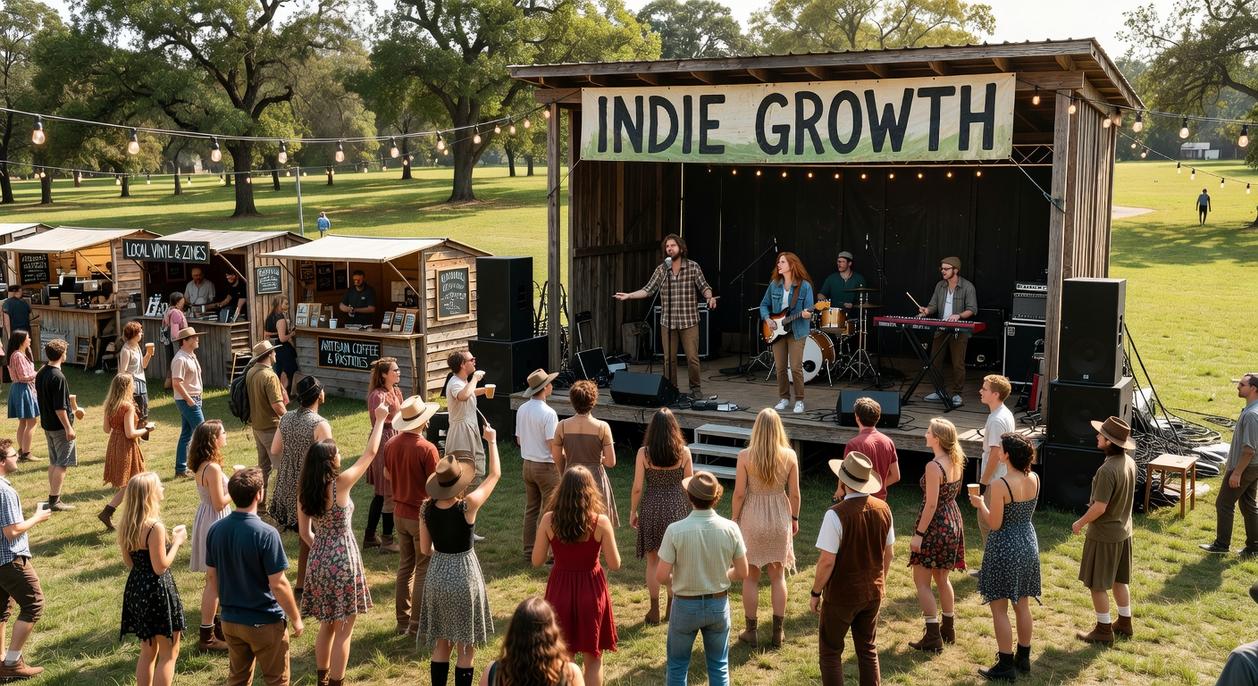
Have you ever wondered why some of the most unforgettable games feel nothing like the latest blockbuster release? That’s often the magic of indie development.
1. Freedom from Corporate Mandates
Large publishers answer to shareholders. That means mass-market appeal, predictable mechanics, and “safe” sequels (yes, another annual franchise installment). Indie developers, by contrast, can chase bold ideas: unconventional storytelling, experimental mechanics, or deeply personal themes. Without layers of executive approval, creativity moves faster and wilder. Some argue that publisher oversight improves quality control—and sometimes it does. But it can also dilute originality. When risk is discouraged, innovation stalls.
2. Serving Underserved Niches
Ever fallen in love with a hyper-detailed farming simulator or a narrative-driven pixel art adventure? AAA studios rarely prioritize these niches. Yet titles like Stardew Valley and Undertale proved that focused audiences can be fiercely loyal. Complex simulation fans, retro RPG enthusiasts, even speedrunning communities—these groups thrive because indies listen. Pro tip: targeting a passionate niche often beats chasing a distracted mass audience.
3. The Power of a Singular Vision
When one creator—or a tight-knit team—drives a project, the artistic identity feels cohesive. Think of it like an auteur film versus a committee-designed blockbuster. The result? Games that resonate emotionally and stylistically.
Lower budgets also mean lower break-even points. Developers don’t need 10 million sales to survive, encouraging experimentation. While critics claim limited funding restricts scope, the reality is that indie game market growth shows players reward originality. Higher creative risk often leads to higher creative reward.
So ask yourself: would you rather play it safe—or play something unforgettable?
The Player-Developer Connection: Community, Modding, and Long-Term Growth
Indie developers don’t just ship games anymore—they build conversations. On Discord and Twitter, feedback loops happen in real time. I once ignored early balance complaints in a small beta community (big mistake). Within weeks, players felt unheard and churn spiked. Lesson learned: engagement isn’t marketing—it’s product development in public.
Some argue that too much player input dilutes creative vision. That’s fair. A game designed by committee can feel bland. But smart developers filter feedback instead of blindly following it. The result? Loyalty that lasts beyond launch day.
Modding as a Force Multiplier
When developers support mods, they effectively multiply their content pipeline for free. RimWorld and Terraria thrive because players extend them endlessly. Mods add new mechanics, stories, and quality-of-life fixes (sometimes faster than official patches).
- Longer lifespan without ballooning dev costs
- Community-driven innovation
- Built-in evangelists who promote the game
I once underestimated mod tools’ importance and shipped without documentation. Adoption stalled. Clear guides changed everything.
From Player to Creator
Modding scenes often become training grounds for tomorrow’s indie hits—fueling indie game market growth. It’s gamer setup optimization at its peak: players rebuilding systems to match their ideal play style.
Pro tip: publish simple APIs early. Your community will surprise you.
Level Up Your Next Move in Gaming
You came here to understand where the opportunities are in today’s gaming landscape—and now you see how powerful indie game market growth really is. The surge in creative titles, accessible development tools, and tech-enhanced mods isn’t just a trend. It’s your opening.
If you’ve been frustrated trying to stand out, optimize your setup, or figure out which games and mods are actually worth your time, you’re not alone. The gaming space moves fast. Miss a shift, and you miss the advantage.
The good news? You now know where momentum is building and how smarter modding, optimized setups, and sharper play strategies can put you ahead of the curve.
Here’s your next move: start applying what you’ve learned. Upgrade your setup for performance, experiment with high-impact mods, and track rising indie titles before they go mainstream. Don’t just play—play smarter.
Gamers who stay informed and act early dominate leaderboards and communities alike. If you’re serious about staying competitive and maximizing every session, now’s the time to implement these strategies and level up your game today.