

Esports isn’t just growing — it’s reshaping how competitive gaming is played, watched, and optimized. If you’re here, you’re likely looking to understand the latest esports trends, smarter modding strategies, and how to level up your setup for a competitive edge. This article breaks down exactly what’s driving momentum in today’s esports scene, from meta shifts and performance-enhancing game mods to the tech upgrades serious players are using to gain milliseconds that matter.
We’ve analyzed current tournament data, reviewed patch updates across major titles, and examined insights from competitive players and modding communities to ensure the strategies shared here are practical and performance-focused. Whether you’re grinding ranked matches, building a high-performance setup, or exploring advanced game mods, you’ll find actionable insights designed to help you play smarter, react faster, and stay ahead in an increasingly competitive esports landscape.
Beyond the Hype: Hard Numbers Behind Esports’ Global Takeover
In 2023, the League of Legends World Championship drew over 6 million peak viewers—more than many NBA Finals games. That’s not hype; that’s a signal. Yet reliable esports growth statistics are scattered across reports and paywalls, making smart decisions harder than they should be.
So here’s the fix: we consolidate verified numbers on viewership, revenue, and prize pools into one clear snapshot—and explain what they mean.
For example, if prize pools surge in a title, expect tougher competition. Pro tip: track event peaks quarterly and upgrade your setup before meta shifts (your ping will thank you).
The Exploding Grandstand: Unpacking Esports Viewership Statistics
Esports isn’t just “kids watching other kids play games” anymore (sorry, Uncle Dave). It’s a global entertainment machine—and the numbers prove it.
Global Audience Growth
Global esports audience grew 8.7% year-over-year to 532 million in 2022, with 261 million enthusiasts and 271 million occasional viewers (Newzoo).
Enthusiasts are the die-hards who schedule their lives around tournament brackets. Occasional viewers tune in for big events—think of them as playoff-only fans. Both matter. Together, they create a digital coliseum that keeps expanding.
Regional Hotspots
Asia-Pacific dominates, accounting for over half of total viewership, with China and South Korea leading the charge (Statista). North America and Europe follow, driven by titles like Call of Duty, Valorant, and League of Legends. If esports had a passport, it would be stamped heavily in Seoul, Shanghai, Los Angeles, and Berlin.
Platform Wars
Twitch and YouTube Gaming battle like final-boss rivals. Twitch consistently leads in total hours watched, while YouTube Gaming often spikes during major tournaments thanks to broader accessibility. Peak concurrent viewers for top events regularly exceed several million—basically, a digital Super Bowl every few months.
Contextual Comparison
The League of Legends World Championship Final has surpassed 5 million peak concurrent viewers (excluding China), rivaling NBA Finals viewership in certain demographics. Let that sink in. This isn’t niche anymore—it’s mainstream.
Skeptics say esports is a fad. Sure—and streaming was “just a trend” once too. Meanwhile, the grandstand keeps getting bigger (and louder).
Follow the Money: A Deep Dive into Esports Revenue Streams
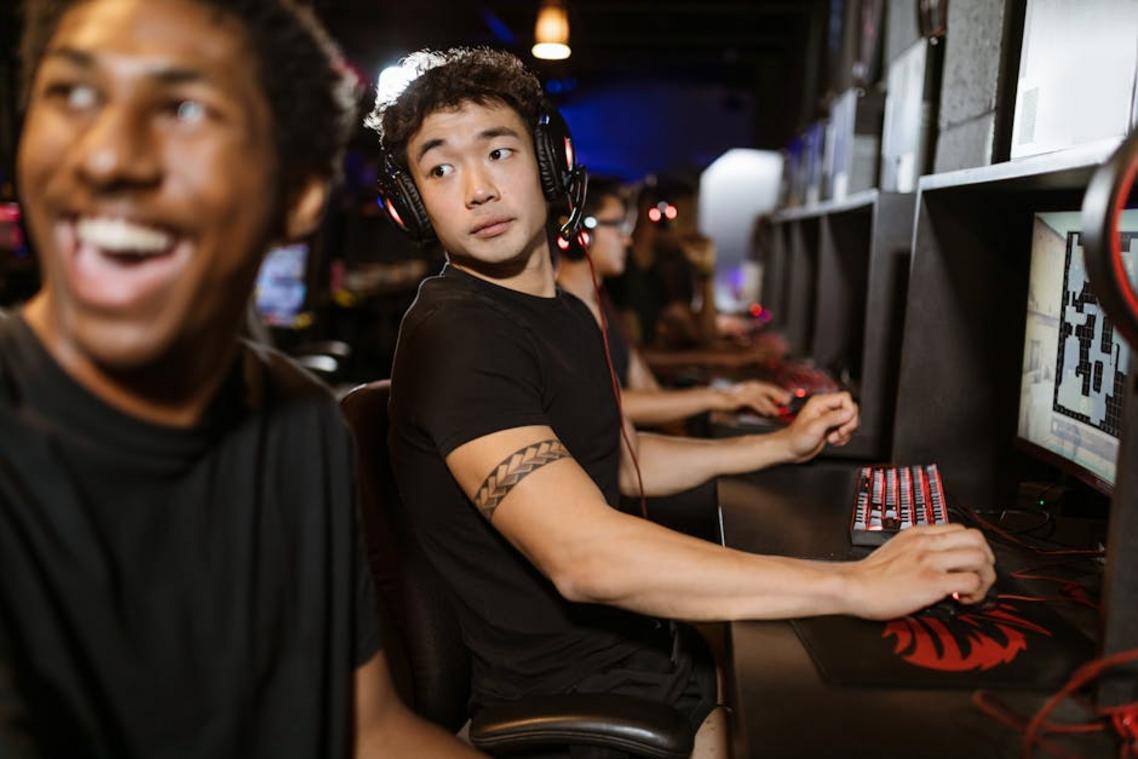
Esports isn’t just sold-out arenas and Twitch chat flying at warp speed. It’s serious business. In fact, global esports market revenue reached $1.38 billion in 2023 and is projected to hit $1.87 billion by 2026 (Newzoo). That kind of trajectory turns heads on Wall Street and in Silicon Valley alike.
Some critics argue the industry is overhyped, pointing to past layoffs and team downsizing. Fair. Yet revenue diversification—not just hype—tells the fuller story. Let’s break it down.
Revenue Breakdown (The Four Pillars)
1. Sponsorships
Sponsorships account for roughly 40–45% of total esports revenue (Newzoo). Endemic brands—gaming hardware, peripherals, energy drinks—still dominate. However, non-endemic brands like BMW and Louis Vuitton have entered the arena, signaling mainstream validation (yes, high fashion meets headshots).
2. Media Rights
Media rights are one of the fastest-growing segments, contributing around 15–20% of revenue. Exclusive streaming deals—such as platform-specific tournament broadcasts—have reached multi-million-dollar valuations. While some argue exclusivity limits audience reach, it significantly increases upfront league stability.
3. Advertising
Advertising contributes roughly 15% and continues to grow as brands chase Gen Z viewers who’ve ditched cable. In-broadcast ads, sponsored segments, and creator integrations drive measurable engagement (and surprisingly high click-through rates, per Nielsen Esports reports).
4. Merchandise & Tickets
Live event revenue, heavily impacted during 2020–2021, has rebounded strongly. Major tournaments now draw tens of thousands in-person, with global finals surpassing 40,000 attendees in flagship arenas. Merchandise sales—jerseys, peripherals, collectibles—add a steady revenue layer.
The Gamer Economy
Beyond leagues, there’s a booming secondary market. Performance-enhancing gear—high-refresh monitors, mechanical keyboards, custom controllers—reflects the sport’s professionalization. Skeptics may call it overkill. Yet in competitive play, milliseconds matter (just ask any Valorant pro).
For a broader industry outlook, explore top gaming trends shaping the industry in 2026: https://lcftechmods.com.co/top-gaming-trends-shaping-the-industry-in-2026/
Follow the money, and esports looks less like a fad—and more like a maturing media ecosystem.
From High Scores to High Stakes: The Growth of Prize Pools
Over the last decade, esports prize money has surged from niche sums to life-changing payouts. In 2013, total global esports prize pools hovered under $100 million; by 2023, they exceeded $280 million annually (Esports Earnings). That’s not hype—it’s audited tournament data. Global esports revenues reached $1.38 billion in 2022 (Newzoo), reinforcing that competitive gaming is serious business.
Tournament Titans
The biggest events read like blockbuster box office charts:
- The International 2021 – $40,018,195
- The International 2019 – $34,330,069
- Fortnite World Cup 2019 Finals – $30,000,000
- The International 2018 – $25,532,177
- The International 2017 – $24,787,916
Notice a pattern? Dota 2 dominates, largely due to crowdfunding through in-game purchases (a genius feedback loop, honestly).
Per-Game Breakdown
Dota 2 consistently leads annual payouts, often surpassing $20 million alone. Fortnite peaked in 2019 with over $70 million awarded. Counter-Strike 2 and League of Legends regularly distribute multi-million-dollar seasonal totals, proving long-term financial viability across different ecosystems.
These numbers transform gaming from pastime to profession.
The Path to Pro
Massive prize pools create a measurable target. Aspiring players now train like athletes, investing in optimized PCs, high-refresh monitors, and low-latency setups. The stakes are real—and so is the opportunity.
Big Brands Enter the Arena: Investment & Sponsorship Trends
Venture capital is pouring into esports, pushing team valuations for names like TSM and FaZe Clan into nine-figure territory. For fans and investors, that means more stability, bigger prize pools, and long-term growth. Even better, the non-endemic invasion—brands outside gaming—signals mainstream legitimacy. Recent esports growth statistics highlight surging sponsorship demand. What’s in it for you? Stronger ecosystems, better events, and smarter opportunities to align with rising digital entertainment powerhouses.
What These Numbers Mean for Your Gaming Future
The data is clear: esports isn’t a side quest anymore—it’s the main storyline. Esports growth statistics show explosive audience expansion, billion-dollar revenues, and packed arenas worldwide (Newzoo, 2023). Translation? The competition is tougher, and the rewards are bigger.
Here’s the practical takeaway: treat your setup like a pro athlete treats training.
- Audit your gear: 144Hz+ monitor, low-latency mouse, stable wired connection.
- Optimize settings: reduce input lag, tweak DPI, calibrate audio.
- Track performance: review replays weekly and log mistakes.
Pro tip: small upgrades compound (yes, even cable management improves focus). Reassess your strategy now—because standing still means falling behind.
Level Up Your Competitive Edge
You came here to understand where competitive gaming is headed and how to stay ahead of the curve. Now you have a clearer picture of the trends, strategies, and performance upgrades shaping modern esports and modded gameplay.
The reality is simple: the esports scene is evolving fast, and falling behind means getting outplayed. Whether it’s optimizing your setup, leveraging advanced mods, or refining your in-game tactics, small improvements compound into serious competitive advantages.
Don’t let outdated gear or missed trends hold you back. Start upgrading your setup, apply the performance tweaks outlined above, and stay plugged into the latest competitive strategies. Gamers who act early win more—period.
If you’re serious about dominating your matches and future-proofing your gameplay, dive into the latest mod guides, implement the optimization tips, and start transforming your setup today. The next level isn’t automatic—you have to build for it.