
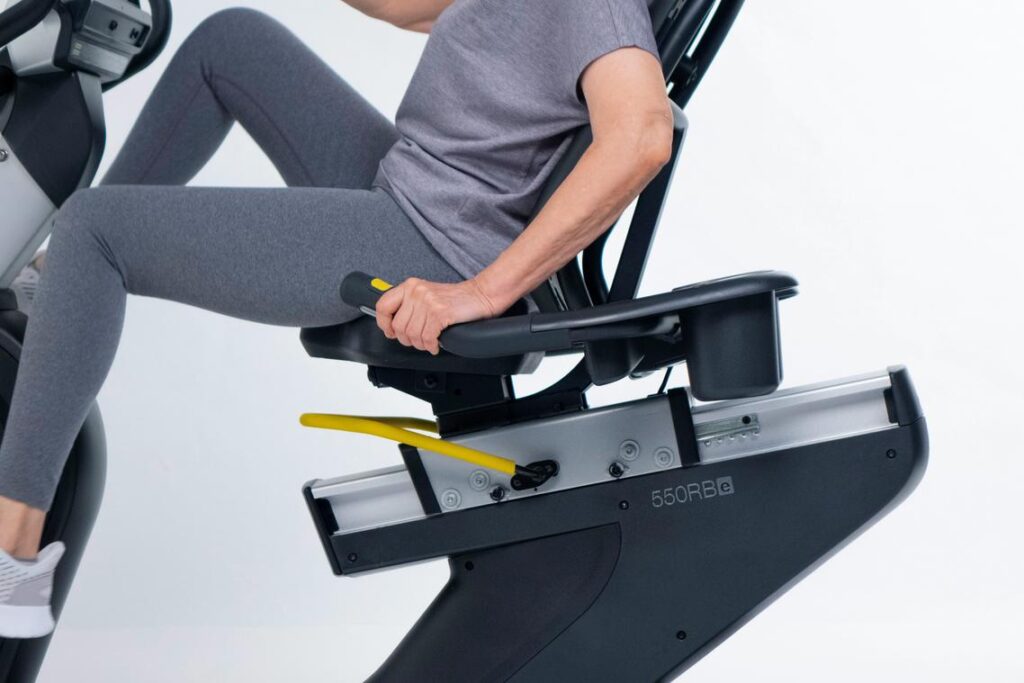
Long gaming sessions can take a serious toll on your body—aching backs, stiff necks, wrist strain, and burning eyes are all too common. The real issue isn’t just playtime; it’s that an unoptimized battlestation actively works against you, creating chronic discomfort that can cut your gaming performance—and longevity—short. This guide is built on thousands of hours of setup testing and in-depth ergonomic research, distilled into practical, proven advice. Below, you’ll find a clear, step-by-step blueprint to transform your space into an ergonomic gaming setup designed for comfort, endurance, and longer, pain-free sessions without sacrificing immersion or competitive edge.
The Foundation of Comfort: Dialing In Your Gaming Chair
Creating an ergonomic gaming setup not only boosts your comfort during those marathon sessions, but also enhances your overall enjoyment—something you can dive deeper into by checking out our article on ‘Why Gaming Is Fun Scookiegeek.’
Have you ever wondered why your back aches after a long session—even though your chair looks like it belongs in a Formula 1 pit lane? Here’s the truth: flashy “racing” chairs prioritize style, while true ergonomic chairs prioritize adjustability. Looks are cool (we all love a slick setup), but support is what keeps you playing pain-free.
The gold standard for posture is the 90-90-90 Rule: knees bent at 90 degrees, hips at 90 degrees, and elbows at a 90-degree angle with feet flat on the floor. Simple? Yes. Overlooked? Constantly.
Run through this quick checklist:
- Position lumbar support so it fits snugly into the natural curve of your lower back.
- Adjust armrests so they’re level with your desk surface (shoulders relaxed, not shrugged).
- Set seat depth so there are two to three inches between the seat edge and the back of your knees.
If your feet don’t rest flat, grab a footrest—or even a stack of books—to fix the angle instantly.
Think your chair is “good enough”? Or are you building an ergonomic gaming setup designed for performance and longevity? Small tweaks today can mean fewer aches tomorrow (and better focus in clutch moments).
Desk height is non-negotiable if you care about your shoulders and wrists. I’ve seen too many setups where the desk is either sky-high or comically low, forcing awkward angles that scream future pain. The correct height lets your arms rest at roughly a 90-degree angle, elbows close to your body, shoulders relaxed—not shrugged like you’re bracing for a boss fight. When your wrists stay neutral instead of bent upward, you reduce strain on the tendons that can lead to repetitive stress injuries (RSIs), a class of overuse injuries common among desk workers (NIOSH). In my opinion, if your desk can’t hit that position, it’s the first thing you fix.
Now for monitor ergonomics—the three pillars that protect your neck. Height: the top of your screen should sit at or just below eye level so you’re not constantly tilting your head up or down. Distance: keep it about an arm’s length away to prevent eye strain (American Optometric Association). Angle: add a subtle 10–20 degree upward tilt so your gaze falls naturally across the display. Small tweak, big payoff.
Running multiple monitors? Put your primary screen directly in front of you and angle secondary displays inward, creating a cockpit view. That minimizes excessive neck rotation (your cervical spine will thank you).
If I had to recommend one upgrade for any ergonomic gaming setup, it’s a VESA monitor arm. It frees desk space and allows micro-adjustments that fixed stands just can’t match. Pro tip: dial in placement, then fine-tune weekly as your posture improves.
Preventing Strain: Keyboard, Mouse, and Wrist Health
If your keyboard is too close or too high, your wrists bend upward—a position linked to increased carpal tunnel pressure, according to research published in the Journal of Orthopaedic Research. The fix is simple: place the keyboard directly in front of you and far enough back so your forearms rest on the desk. Your wrists should stay straight and neutral—not flexed up, down, or sideways. NEUTRAL is the goal.
Let’s debunk a stubborn myth: wrist rests are not for your wrists. Ergonomists call them palm rests because they’re designed to support the heel of your palm during pauses, not while typing. Resting your wrist compresses the median nerve, which can worsen carpal tunnel symptoms (American Academy of Orthopaedic Surgeons). Think of it like parking, not driving.
Mouse choice matters just as much. Studies show poor mouse fit increases muscle activity in the forearm. Choose based on grip style:
- Palm grip: larger, fuller mouse
- Claw grip: medium, arched design
- Fingertip grip: lightweight, low profile
Already feeling pain? Vertical mice promote a natural “handshake” posture, reducing forearm pronation and strain. SMALL CHANGE, BIG DIFFERENCE.
Pair these adjustments with an ergonomic gaming setup and don’t forget optimizing monitor settings for competitive gaming performance to reduce total-body strain.
Reducing Eye Strain: The Role of Ambient and Screen Lighting
The primary enemy of eye comfort is GLARE. Reflections from windows or harsh overhead lights bounce off your monitor, forcing your eyes to constantly refocus. The American Optometric Association reports that prolonged digital exposure contributes to symptoms of digital eye strain in millions of users each year. That fatigue and those dull headaches? Often glare at work (literally).
Here’s a three-pronged fix:
- Position your desk perpendicular to windows to minimize reflections.
- Add bias lighting—a soft light behind your monitor—to reduce contrast.
- Use an anti-glare screen protector if reflections persist.
Software helps, too. Enable Windows Night Light or similar tools to reduce blue light in the evening; studies suggest blue light can disrupt sleep cycles. Always match screen brightness to room lighting (PRO TIP: if your screen looks like a flashlight, it’s too bright).
Finally, treat the 20-20-20 rule as non-negotiable: every 20 minutes, look 20 feet away for 20 seconds. It’s essential for any ergonomic gaming setup.
Level Up Your Comfort and Performance
If you’ve been struggling with soreness, stiffness, or fatigue after long sessions, it’s not a lack of skill holding you back—it’s physical strain. Pain is the real enemy of progress, focus, and long-term gaming performance.
The fix isn’t complicated. An ergonomic gaming setup is an investment in both your health and your hobby. With the checklist you now have, you can confidently audit your space, fine-tune your positioning, and create immediate, lasting comfort.
Don’t wait for the pain to get worse. Adjust just one thing today—start with your monitor height—and take the first step toward a stronger, pain-free gaming future.

 Ask Geneva Burnsinser how they got into platform play strategies and you'll probably get a longer answer than you expected. The short version: Geneva started doing it, got genuinely hooked, and at some point realized they had accumulated enough hard-won knowledge that it would be a waste not to share it. So they started writing.
What makes Geneva worth reading is that they skips the obvious stuff. Nobody needs another surface-level take on Platform Play Strategies, Insider Tips, Tech-Enhanced Game Mods. What readers actually want is the nuance — the part that only becomes clear after you've made a few mistakes and figured out why. That's the territory Geneva operates in. The writing is direct, occasionally blunt, and always built around what's actually true rather than what sounds good in an article. They has little patience for filler, which means they's pieces tend to be denser with real information than the average post on the same subject.
Geneva doesn't write to impress anyone. They writes because they has things to say that they genuinely thinks people should hear. That motivation — basic as it sounds — produces something noticeably different from content written for clicks or word count. Readers pick up on it. The comments on Geneva's work tend to reflect that.
Ask Geneva Burnsinser how they got into platform play strategies and you'll probably get a longer answer than you expected. The short version: Geneva started doing it, got genuinely hooked, and at some point realized they had accumulated enough hard-won knowledge that it would be a waste not to share it. So they started writing.
What makes Geneva worth reading is that they skips the obvious stuff. Nobody needs another surface-level take on Platform Play Strategies, Insider Tips, Tech-Enhanced Game Mods. What readers actually want is the nuance — the part that only becomes clear after you've made a few mistakes and figured out why. That's the territory Geneva operates in. The writing is direct, occasionally blunt, and always built around what's actually true rather than what sounds good in an article. They has little patience for filler, which means they's pieces tend to be denser with real information than the average post on the same subject.
Geneva doesn't write to impress anyone. They writes because they has things to say that they genuinely thinks people should hear. That motivation — basic as it sounds — produces something noticeably different from content written for clicks or word count. Readers pick up on it. The comments on Geneva's work tend to reflect that.